


PhD at RICE Power Lab: junior research fellow position
From day one, you will be part of a research team — working alongside colleagues on a specific project in the fields of power electronics, electrical machines, drives, energy or artificial intelligence. The department is closely linked to the RICE research centre, so you will work in its laboratories and on projects that are often carried out in international collaboration.
The financial package reflects this: the basis is a stipend of 25,000 CZK net per month, plus involvement in projects through which we fund our PhD positions on a long-term basis. The overall remuneration is therefore comparable to that of starting out in professional practice — with the difference that you manage your own time and the direction of your work. The role involves publishing, attending international conferences and, after four years, the award of a PhD.
How does it work?
The position of junior researcher is formally classified as a full-time PhD programme within the four-year Electrical Engineering and Information Technology programme. The work is carried out according to an individual plan, which you will draw up with your supervisor based on the topic and your area of specialisation. The outcome is a doctoral thesis and the degree of Ph.D.
How to apply for a position
Take a look at the list of research topics and the supervisors’ profiles. You’ll be working on your topic for four years, so take your time when making your choice. Write him an email as if you were applying for a job: explain why you’re interested in the topic, what your background is (CV) and how you envisage working on the project. A good first impression will make everything that follows much easier. You’ll discuss the role, mutual expectations, funding and how the team you’d be joining operates. Formally, the position is filled via an application for a PhD programme — which is submitted online. You can find the deadlines, fees and required documents on the faculty’s website. Admissions process You can expect a discussion about your chosen topic and your motivation, questions on the subject matter, and an assessment of your English. If you have completed steps 1–3, you will be well prepared for the interview. The university will provide you with the documents you need to apply for a visa. We will be happy to help you with the whole process.Choose a topic and a supervisor
Contact your tutor
Book an appointment online
Submit your application
Prepare for your job interview
Apply for a visa
Supervisors
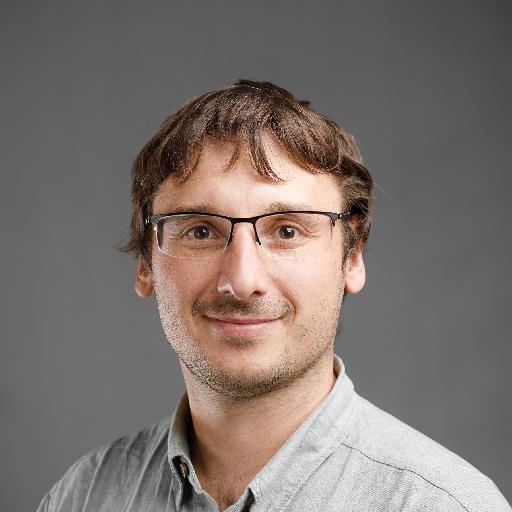
doc. Mgr. Lukáš Adam, Ph.D.
Artificial intelligence, machine learning and mathematical optimisation for technical and industrial applications

prof. Ing. Pavel Drábek, Ph.D.
Power converters using SiC/GaN semiconductors, high power density, EMC and smart grid systems
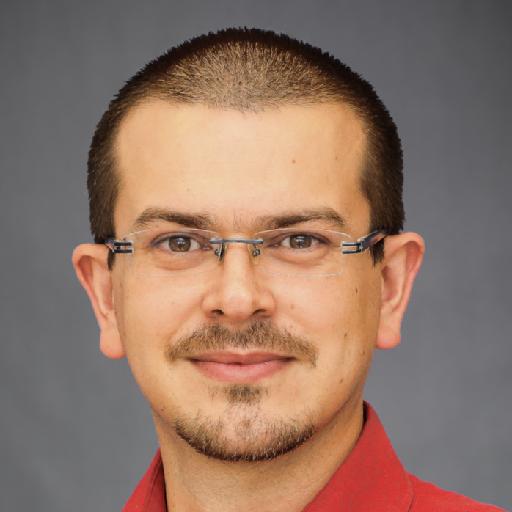
doc. Ing. Karel Hruška, Ph.D.
Electromagnetic design and analysis of electrical machines, windings and traction motors

doc. Ing. Vladimír Kindl, Ph.D.
Wireless power transfer, electromagnetic design of coupling elements, transformers and magnetic circuits
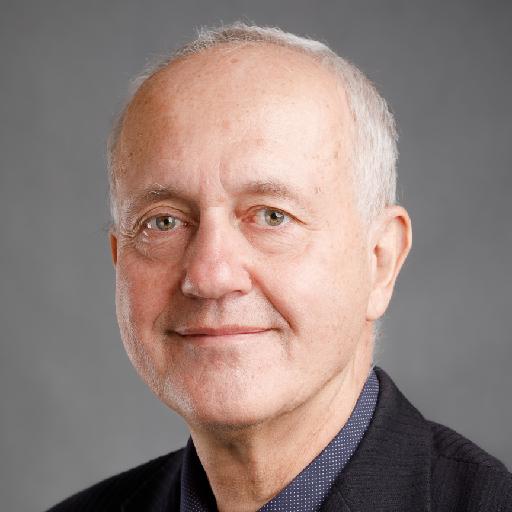
prof. Ing. Václav Kůs, CSc.
Power quality, harmonics and the impact of power converters on the distribution network

doc. Ing. Roman Pechánek, Ph.D
Design, thermal modelling and advanced cooling of electrical machines, high-speed machines

prof. Ing. Zdeněk Peroutka, Ph.D.
Electric drives and power converters for transport, smart control systems and the networks of the future

doc. Ing. Martin Pittermann, Ph.D.
Traction power supply systems and substations, power converters and electric drive control systems
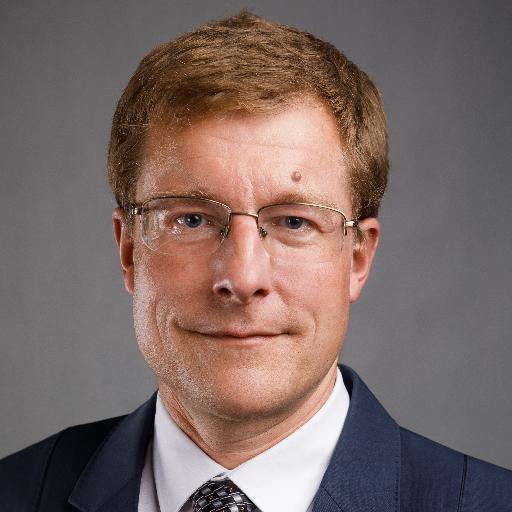
doc. Ing. Bohumil Skala, Ph.D
Synchronous machines and generators, excitation systems, transformers and electromagnetothermal analyses
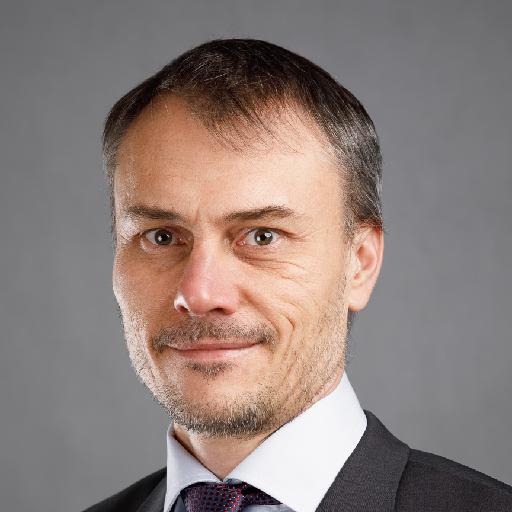
prof. Ing. Václav Šmídl, Ph.D.
Machine learning, Bayesian methods, model identification and optimisation of electrical systems

doc. Ing. Jakub Talla, Ph.D.
Control and identification of power converters and drives, microgrids, FPGAs/SoCs and fault-tolerant control
Life in Pilsen
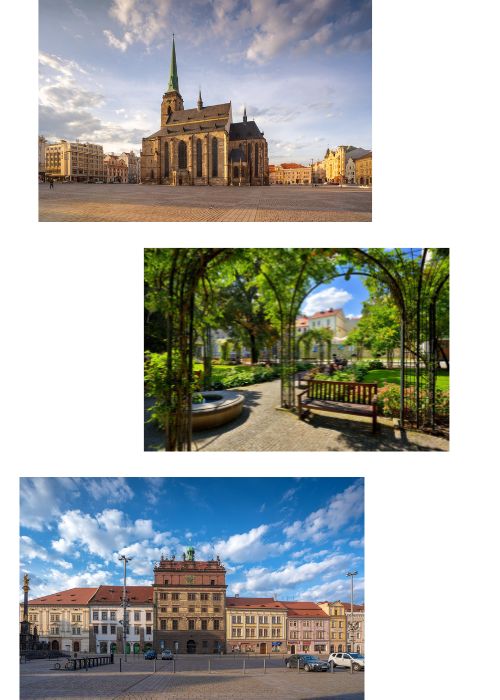
Pilsen is the fourth-largest city in the Czech Republic — an hour's journey from Prague, but with significantly lower living costs, whether in halls of residence or rented accommodation. Thanks to several thousand university students, the city has a youthful atmosphere and offers plenty of cultural and sporting activities, beautiful natural surroundings and opportunities for day trips – to Prague, the Šumava Mountains and neighbouring Bavaria, which are all just a short distance away.
Student life here is complemented by a wide range of cafés, clubs and summer events, theatres, galleries and regular festivals, as well as the unique underground passages of the historic centre and Pilsner Urquell, known throughout the world.
At the weekends, you can go hiking in the Bohemian Forest or the Brdy Mountains, cycle along the rivers that converge in Plzeň, or take a trip across the border – Regensburg or Munich are less than two hours' drive away.
To get your bearings in the city and the surrounding area, we recommend the official tourist guide to Plzeň and the surrounding area, where you'll find tips for day trips, cultural events and practical information.
If you're arriving from abroad, you'll also find the Welcome Pilsen Region website useful; it was created specifically for international students and workers and will help you find your feet in everyday life in the city — from accommodation and dealing with the authorities to leisure tips.
Do you have any questions?
Can’t find the answer to your question? Get in touch — we’ll help you choose a topic, find a supervisor, and with anything else you need.